
Hawk and Horse Vineyards is a Demeter Certified, Biodynamic Vineyard
Biodynamic farming is a method of working the land in harmony with the dynamic forces of the cosmos and elements of nature including earth, light, heat, and water. Developed by Rudolph Steiner (1863 – 1925) the method is outlined in a series of lectures delivered in Koberwitz in 1924. Steiner states that “The earthly and cosmic forces work in the farm through the substances of the Earth…”
Biodynamic farming practices enable us to increase the vitality of our soil, promote the health of our vines, and optimize the overall quality of our fruit using only the cleanest and most natural preparations. We believe that wine is made in the vineyard. Therefore, it is fundamental to farm our land in the very best way possible. Biodynamic farming is a natural complement to growing wine grapes of the highest excellence, bringing out the deepest expression of our unique terroir. We are DEMETER certified—i.e., we follow the biodynamic protocols laid out by the Demeter organization.
A select number of elite wineries are biodynamic in their winegrowing, including Benziger, Raymond Vineyards, Frey Vineyards, DeLoach Vineyards and Jeriko Vineyards. Examples of biodynamic producers in Europe include Coulée de Serrant. And, like organic farming, we believe the quality of these wines will spawn a growing trend toward biodynamic winegrowing both in Europe and in the New World. The term biodynamic means “biologically dynamic.” It is formed from the two root words: biology (living organism) and dynamic (energy).
While biodynamic farming differs from organic farming, the two methods complement each other. Both increase soil and plant health without the use of conventional chemical preparations. However, biodynamic farming views the soil as an integral part of the symbiosis between planet, air, and cosmos. A detailed understanding and use of seasonal influences are central. Perhaps the most controversial aspect of biodynamic farming is the belief that the cosmos plays upon the earth and influences growing. However, we all understand the effect the moon has on the tides and even the human reproductive cycle. It is evident that the earth and the plants it supports are not totally separate from the influence of such celestial influences as well.
Even our own Ben Franklin was a firm believer in stunningly similar views as evidenced in The Farmer’s Almanac, first produced by Franklin in 1734 (as Poor Richard‘s Almanac) “…wherein is contained The Lunations, Eclipses, Judgment of the Weather, Spring Tides, Planets Motions & mutual Aspects, Sun and Moon’s Rising and Setting, Length of Days, Time of High Water, Fairs, Courts, and observable Days” (from the title page, 1734). The Farmer’s Almanac is still in print today and is a wonderful resource for farmers and home gardeners alike.
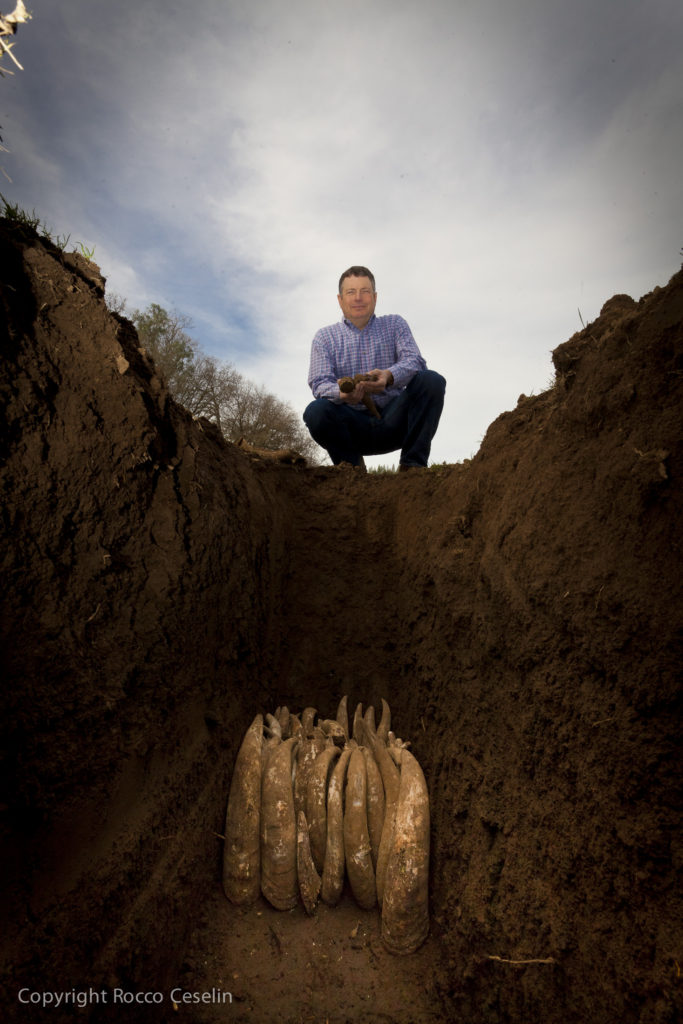
Biodynamic preparations are much more specific and concentrated than organic preparations and are used more sparingly – often as a fortified tea – to enliven the soil and to vitalize the plant. The three main preparations are cow dung compost for the soil, “horn dung” for the roots, and “horn silica” to aid photosynthesis. The compost, aged cow manure, will be added to the soil in the early winter or late fall to add nutrients – the same as organic fertilizer. “Horn dung” is simply cow manure packed in a cow horn and buried in the ground during the winter. This process increases the bacterial content significantly. It is then mixed with water and applied to the soil as a tea. The bacteria in the horn dung work to aid the plant in the uptake of nutrients in the soil. “Horn silica” is a finely ground silica or crystal packed in a cow horn and buried in the vineyard over the summer then diluted and sprayed on the plant and leaves to aid in photosynthesis.
When looking at the vineyard in terms of biodynamic farming each factor is analyzed for its cause and influence. For example, when wild turkeys appear in force our first instinct is to begin the process of eliminating them (primarily through hunting). But at the same time, we examine carefully their impact on our vineyard. Wild turkeys feed on the ground and also will nibble at the fruit of the vines – this is why they are not welcome in the vineyard. However, due to our close observation of their activities, we began to see that they eat very little fruit, but, instead, tend to pick at insects and other seeds (acorns from the oak trees for example) off the ground. We also have seen how their droppings offer a possible benefit to our soil in the form of natural fertilizer. Thus, in a way, the presence of turkeys can serve to help us eliminate some pests which may have caused problems if not kept in check while adding nitrogen to the soil. Our part was to watch closely and be sure they did not get out of hand.
From time to time we also see deer in the vineyard – a more considerable threat to our crop. During the course of hunting them, we have noted the presence of a mountain lion, a natural predator of the deer – in the vineyard as well. We will not leave the deer to chance – they pose too great a threat to our vines and fruit – but it was very interesting to see a natural predator follow them into the vineyard. This is the sign of a healthy ecosystem.
The cornerstone of our biodynamic program is the production of our own vineyard preparations. Cow dung is the key ingredient in our most important applications. This necessitated the addition of cattle to our ranching operation. After careful research, we selected the Scottish Highland breed. The Highland is an ancient breed known to have grazed the rugged Scottish landscape since the sixth century. They are the oldest registered breed of cattle with the first herd book being established in 1884. These striking creatures are highly desirable animals and are noted for their ease in calving, high-quality beef, and superb hides. They are also known for their gentleness and intelligence as well as their distinctive and beautiful appearance. They add a sense of true loveliness and grace to the landscape.